About
What is Periodic Paralysis (PP)?
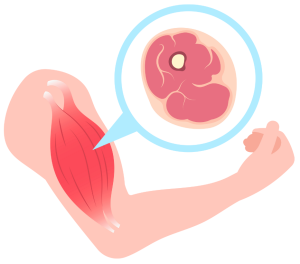
Primary Periodic Paralysis (PP) is a rare genetic disorder characterized by repeated episodes of extreme muscle weakness or temporary paralysis, often triggered by specific factors.
These episodes, or “attacks,” can vary in intensity from mild weakness to full paralysis and can last anywhere from minutes to days. While symptoms are episodic, they can have a profound impact on daily life.
PP includes several subtypes, each with unique characteristics and triggers, which will be detailed in later sections.
Why Do Muscle Weakness Attacks Occur?
Muscle cells require particles called ions—such as potassium, calcium, and sodium—to function properly. These ions move in and out of the cell through structures called ion channels.
In people with PP, genetic mutations can cause these ion channels to malfunction, making it difficult for muscles to move.
Common Triggers for PP Attacks
The triggers for PP attacks can vary among individuals, but common factors include:
- Stress or emotional changes
- Imbalances in potassium (too much or too little)
- Resting after exercise
- Waking up from sleep
- Drinking alcohol
- Exposure to cold
- Eating certain foods
Understanding your personal triggers is an essential part of managing PP effectively.
Challenges in Diagnosing PP
Diagnosing Periodic Paralysis can be a lengthy and complex process due to its rarity and overlapping symptoms with other conditions. Below are key challenges:
Onset
Symptoms often begin in childhood, typically before age 20, though some cases start as early as age 2.
Family history
Progression
Delayed diagnosis
Genetic testing
Types of Periodic Paralysis
There are several different periodic paralysis types. Each one has its own characteristics.
- Hypokalemic Periodic Paralysis (HypoPP)
- Hyperkalemic Periodic Paralysis (HyperPP)
- Myotonia and Unidentified Mutations
- Andersen-Tawil Syndrome (ATS)
- Thyrotoxic Periodic Paralysis (TPP)
Hypokalemic Periodic Paralysis (HypoPP or HypoKPP) is the most common form of periodic paralysis. This condition occurs when low levels of potassium in the blood (“hypokalemia”) trigger episodes of muscle weakness or paralysis. Although potassium remains in the body, it shifts at the cellular level, making it unavailable for normal muscle function.
Cause: Low potassium in the blood.
Symptoms: Episodes of muscle weakness or paralysis, often brought on by specific triggers such as:
- Eating carbohydrate-rich meals or sweets
- Resting after physical activity
- Physical or emotional stress
- Diarrhea or vomiting
- Use of diuretics or adrenaline-containing medications
Prevalence: HypoPP is the most common inherited form of PP, accounting for approximately 60% of familial PP cases.
Genetic Inheritance: HypoPP is dominantly inherited, meaning there is a 50% chance of passing the condition to offspring if one parent is affected.
Hyperkalemic Periodic Paralysis (HyperPP or HyperKPP) is characterized by episodes of muscle weakness or paralysis triggered by high levels of potassium in the blood (“hyperkalemia”). Unlike HypoPP, HyperPP episodes are often shorter, lasting between 10 minutes and one hour, though they can occasionally last longer.
Cause: High potassium in the blood.
Symptoms: Episodes of muscle weakness or paralysis, commonly triggered by:
- Fasting or skipping meals (which can cause a natural rise in potassium levels)
- Eating high-potassium foods
- Physical or emotional stress
Key Features:
- Associated with myotonia, or persistent muscle stiffness, during or between episodes. For example, individuals may experience difficulty relaxing muscles after a contraction, such as clenched fists or stiff legs.
Management Tips:
- Eat small, frequent meals to prevent spikes in potassium levels.
- Avoid high-potassium foods and identify personal triggers.
Myotonia: Muscle stiffness can accompany weakness in certain cases of periodic paralysis, causing discomfort and functional limitations.
Unidentified Mutations: Some individuals with periodic paralysis lack a definitive genetic diagnosis, making treatment more challenging.
Paramyotonia Congenita (PMC)
Key Features:
- Characterized by muscle stiffness (myotonia) that worsens with repeated activity or exposure to cold temperatures.
- Often diagnosed in infants or toddlers.
- Associated with episodic muscle weakness, though stiffness is the predominant symptom.
Overlap:
- Considered a variant of HyperPP, sharing similar management strategies.
Andersen-Tawil Syndrome (ATS) is a unique form of periodic paralysis where muscle weakness occurs both during and between attacks. Potassium levels are inconsistent during episodes, with some attacks caused by high potassium levels and others by low levels. Attacks typically begin before age 20.
Symptoms:
- Episodic muscle weakness.
- Persistent feelings of weakness between attacks.
- Heart arrhythmias (irregular heartbeat, potentially life-threatening).
- Bone abnormalities, such as short stature, curved fingers, or distinct facial features.
Key Features:
- The only form of periodic paralysis that affects tissues beyond skeletal muscle.
- Symptoms can vary widely between individuals.
Diagnosis Tip:
- Electrocardiogram (ECG) abnormalities are often the first diagnostic clue.
Inheritance:
- Dominantly inherited, with symptoms varying among family members.
Thyrotoxic Periodic Paralysis (TPP) occurs when hypokalemic periodic paralysis is triggered by an overactive thyroid gland (hyperthyroidism). The thyroid, located at the base of the neck, produces hormones that regulate many body functions. Conditions like Graves’ disease can cause the thyroid to overproduce hormones, leading to symptoms such as irregular heartbeat, night sweats, swollen eyes, brittle bones, and episodes of muscle weakness.
Key Features:
- Occurs in conjunction with hyperthyroidism (overactive thyroid).
- Characterized by repeated episodes of weakness and low potassium levels during attacks.
- More common in Asian males, typically in their 20s and 30s.
Diagnosis:
- Blood tests can confirm thyroid dysfunction.
- Normal thyroid function tests rule out TPP.
Treatment:
- TPP resolves completely once the underlying thyroid condition is treated.
Getting a Periodic Paralysis (PP) Diagnosis
Symptoms Can Be Misleading
Common Symptoms Include
- Sudden paralysis or severe weakness.
- Facial palsy, high blood pressure spikes, or irregular potassium levels during episodes.
- Episodes triggered by specific factors like carbohydrate intake.
Helpful Tip
PP is rare, affecting about 3–4,000 individuals in the U.S.
Many physicians have little or no experience diagnosing it.
Diagnosis often requires seeing multiple doctors over several years or even decades.
Common misdiagnoses include: Strokes, meningitis, or psychological disorders due to the episodic nature of symptoms and lack of visible signs between attacks.
Early diagnosis can prevent permanent muscle damage and improve quality of life.
Where to Seek Help
Schedule an evaluation with a neurologist, specifically a neuromuscular specialist.
These specialists have the training and equipment needed to diagnose PP.

Watch this 40-minute video by Dr. William Harr on the importance of safe anesthesia practices for PP patients, including:
- Preparing for planned and emergency surgeries.
- Specific considerations for each type of PP (Hypokalemic, Hyperkalemic, Andersen-Tawil Syndrome, Myotonia Congenita, and Paramyotonia Congenita).
Additional Resources for Anesthesia Safety:
These documents outline detailed anesthesia plans, protocols, and processes to ensure safe surgical practices for both adults and children with PP.
Proactive Steps to Assist Diagnosis
Keep a Detailed Diary
- Example: "I couldn't stand up by myself."
- Example: "I couldn't raise my arm to my face."
Create a Family Medical Tree
Create a Family Medical Tree:
Capture Video Evidence
Capture Video Evidence:
Genetic Testing
PP is an inherited disorder with dominant inheritance, and gene testing can identify mutations linked to the condition. A clinical diagnosis often relies on symptom patterns and other evidence, even without a confirmed mutation.
Challenges with genetic testing include:
- Variants of Unknown Significance (VUS): Not all genetic variations are linked to PP.
- Negative results don’t rule out PP, as not all relevant genes have been discovered or fully understood.
Download our Genetic Testing Guide for more information.
What Happens After Diagnosis?
Simplified Management:
- Once diagnosed, ongoing care can often be managed by your primary care doctor.
- A clear diagnosis provides guidance for daily living and optimizing quality of life.
The Value of a Diagnosis:
- A confirmed diagnosis improves planning and support.
- Enables your medical team to create a personalized strategy for managing symptoms and well-being.
Empowering the PP Community

Connect with the Community
Visit <a WorldPeriodicParalysisDay.com for more resources, educational materials, and guidance tailored to PP patients and caregivers. for more resources, educational materials, and guidance tailored to PP patients and caregivers.

Help Spread the Word
Your voice matters! Raising awareness about Periodic Paralysis can make a difference by:
- Decreasing diagnostic delays.
- Helping others recognize their symptoms and seek help sooner.
- Supporting global research and advocacy efforts

Be Part of the Movement
Join us on March 23, 2025, for World Periodic Paralysis Day — a global virtual event to unite the community, raise awareness, and inspire hope.