


News

FAQs about PP

Periodic Paralysis is a rare and often misunderstood condition, and those living with it—or caring for someone who does—frequently have many questions. Below are some commonly asked questions about the condition, along with answers to help provide clarity and support.

Periodic Paralysis is a rare, genetic condition classified as an ion channelopathy. It causes episodes of muscle weakness or paralysis due to a disruption in the way ion channels regulate muscle function. These episodes can be triggered by factors such as changes in potassium levels, physical exertion, stress, or certain foods and medications. Learn more here or here.

There are several different periodic paralysis types.
Each one has its own characteristics. Learn more here. Or watch this video.

Common symptoms include:

  • Sudden muscle weakness or paralysis, which can last minutes to hours (or longer).
  • Fluctuations in potassium levels.
  • Muscle stiffness or pain.
  • Fatigue.
  • In some cases, irregular heart rhythms or breathing difficulties.

Living with Periodic Paralysis requires careful planning and lifestyle adjustments to avoid triggers. The unpredictability of episodes can be challenging, but with proper management, many individuals can maintain a good quality of life.

Hyperkalemic Periodic Paralysis is a type of Periodic Paralysis triggered by having an excess of potassium in their blood.

The main symptom is acute muscle weakness during an attack These episodes can last anywhere from 15 minutes to an hour, but sometimes they last longer. It’s also possible to feel stiff in your muscles even when you’re not fully experiencing episodes.

Hypokalemic Periodic Paralysis episodes include extreme muscle weakness that can last for hours. Arms and legs are a common area for dystonia to strike. Sometimes, the muscles in your eyes and throat can be affected as well. During episodes of these, the patient’s blood potassium is unusually low.
Learn more here.

Periodic paralysis can be managed. No matter which of the periodic paralysis types you have, there are treatments out there for you.
We are here to help you, and we want to show you the options that you have to treat your symptoms. To learn more, click here.

Trailer: "I Never Fake It" Documentary

Full Video: "I Never Fake It" Documentary

Different Types of Periodic Paralysis

6 Questions about Periodic Paralysis

Most Common FAQs Part 1

Most Common FAQs Part 2

Why PP Patients Need a Medical ID

5 Things To Know About Living with PP

Living with Periodic Paralysis: Unraveling the Mystery

Living with Periodic Paralysis: Unraveling the Mystery

Living with a rare condition like Periodic Paralysis can be an overwhelming journey filled with…

Keveyis Daily Tracker for Periodic Paralysis

Keveyis Daily Tracker for Periodic Paralysis

Track Your Journey with the Keveyis Daily Tracker for Periodic Paralysis Living with Periodic Paralysis…

Navigating Life with Periodic Paralysis: Tips for Daily Management

Navigating Life with Periodic Paralysis: Tips for Daily Management

Periodic Paralysis is a rare and complex condition that affects individuals differently, often bringing significant…

Understanding the Triggers: How to Prevent Periodic Paralysis Episodes

Understanding the Triggers: How to Prevent Periodic Paralysis Episodes

Periodic Paralysis is a rare and complex condition that affects individuals differently, often bringing significant…

The Emotional Toll of Periodic Paralysis: Coping Strategies for Mental Health

The Emotional Toll of Periodic Paralysis: Coping Strategies for Mental Health

Periodic Paralysis is a rare and complex condition that affects individuals differently, often bringing significant…

Navigating Medical Care: Tips for Diagnosing and Treating Periodic Paralysis

Navigating Medical Care: Tips for Diagnosing and Treating Periodic Paralysis

Periodic Paralysis is a rare and complex condition that affects individuals differently, often bringing significant…
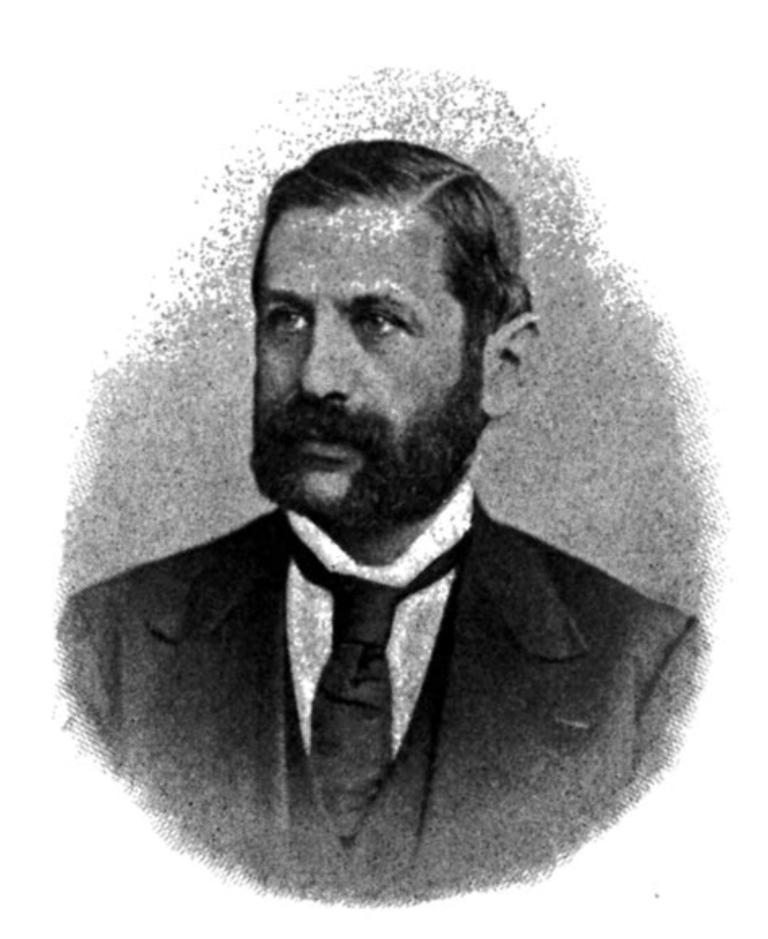
Why March 23? The Story Behind World Periodic Paralysis Day (WPPD)

Why March 23? The Story Behind World Periodic Paralysis Day (WPPD)

When choosing a date for World Periodic Paralysis Day (WPPD), we wanted a day with…
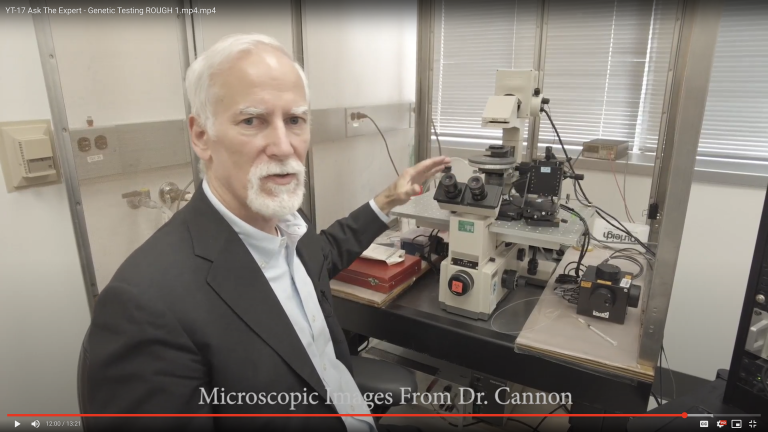
Dr. Stephen Cannon: A Champion for Periodic Paralysis Research

Dr. Stephen Cannon: A Champion for Periodic Paralysis Research

For those who have Periodic Paralysis, being viewed by others as a “normal” person is…
Tools, Tips & Resources About PP