When choosing a date for World Periodic Paralysis Day (WPPD), we wanted a day with real meaning—one that connected us to the history of neurology and the pioneers who paved the way for our understanding of movement disorders. That’s why Dr. Steven Cannon, a leading expert in Periodic Paralysis, chose March 23rd—the birthday of Karl Friedrich Otto Westphal (1833–1890).
Who Was Karl Westphal?
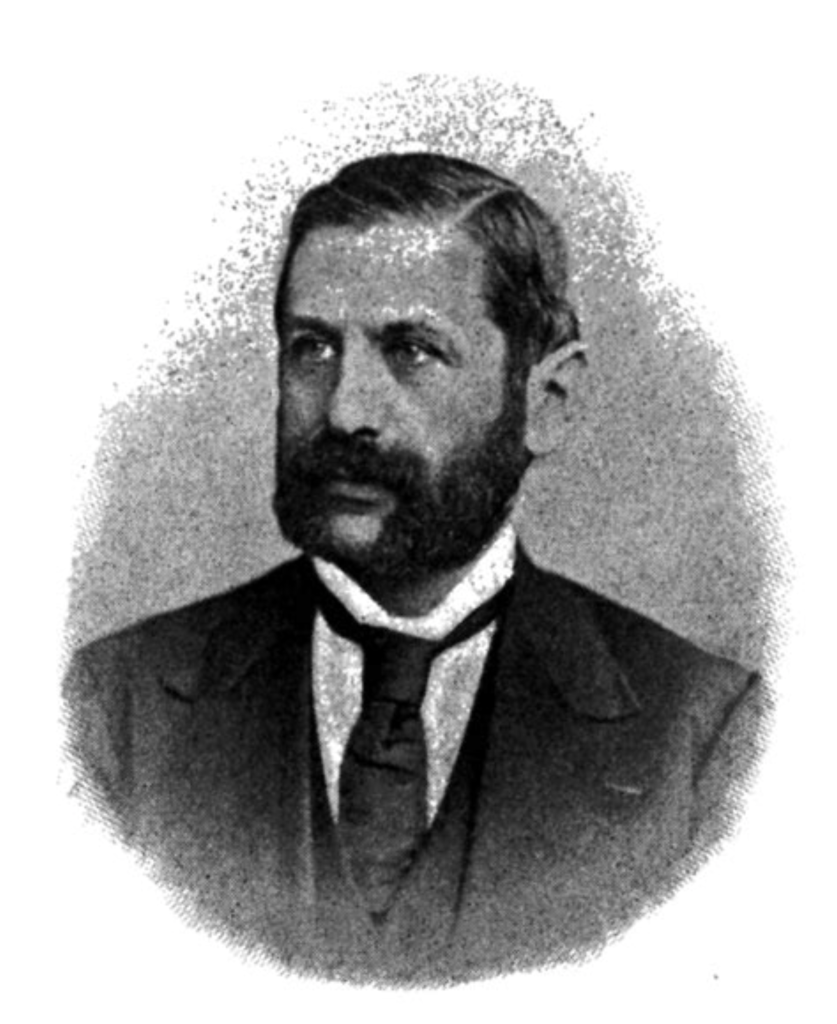
Karl Westphal was a German psychiatrist and neurologist who made groundbreaking contributions to the study of the nervous system. He was among the first to describe neuromuscular disorders, deep tendon reflex anomalies, and movement disorders, all of which are closely tied to conditions like Periodic Paralysis.
From the National Library of Medicine:
“Hypokalemic periodic paralysis was formerly most often known as Westphal’s disease, as Karl Friedrich Otto Westphal (1833-1890) first described extensively and convincingly the main characteristics of the disease.”
Dr. Steven Cannon noted, “Westphal’s birthday would be a good date to celebrate WPPD. He contributed to many areas of neurology“.
Westphal’s Legacy & Why It Matters for Periodic Paralysis
1. A Deep Understanding of Movement Disorders
Westphal was one of the first physicians to recognize and describe neuromuscular dysfunction and reflex abnormalities, which are central to Periodic Paralysis. His observations laid the groundwork for future discoveries in nerve conduction, muscle response, and involuntary movement disorders.
2. Connecting the Dots Between Spinal Cord Issues and Paralysis
He discovered a connection between tabes dorsalis (a neurodegenerative spinal cord condition) and paralysis, showing how nerve damage can lead to weakness and loss of function—something very relevant to PP patients today.
3. Early Contributions to the Study of Reflexes & Muscle Control
- The Westphal Phenomenon: He described a reflex anomaly that later became known as the Erb–Westphal symptom, which involved abnormal deep tendon reflex responses in neurological conditions.
- Edinger–Westphal Nucleus: His work contributed to our understanding of the autonomic nervous system, which plays a role in muscle function, fatigue, and nerve signaling—areas relevant to PP research.
4. One of the First to Describe Narcolepsy & Cataplexy
Westphal documented sudden muscle weakness triggered by emotions, now known as cataplexy—a symptom sometimes reported in Hypokalemic Periodic Paralysis (HypoPP). His descriptions helped shape our understanding of episodic neurological disorders.
5. A Human-Centered Approach to Neurology & Psychiatry
Unlike many of his peers, Westphal emphasized humane treatment for psychiatric and neurological patients, moving away from the stigma and poor conditions that many faced at the time. His approach mirrors our mission today: to empower, educate, and improve patient care.
Why This Matters for WPPD
Westphal’s work bridged the gap between neurological disorders and muscle dysfunction—a connection at the heart of Periodic Paralysis. By choosing March 23, we honor a scientist who helped pave the way for understanding the very challenges PP patients face today.
Join Us on 3/23!
On March 23rd, we come together as a global community to spread awareness, support those with PP, and push for advancements in diagnosis and treatment. Let’s make history together—just like Westphal did.
📅 Mark your calendars for WPPD on March 23!
💙 Share your story. Raise awareness. Support the PP community.
#WPPD #PowerUpPP #FindingPowerInParalysis #KarlWestphal #NeurologyHistory